

Regulated
Financial Services
Oracle Financials, a faster close, and reconciliations and controls that stand up to audit.
Manufacturing
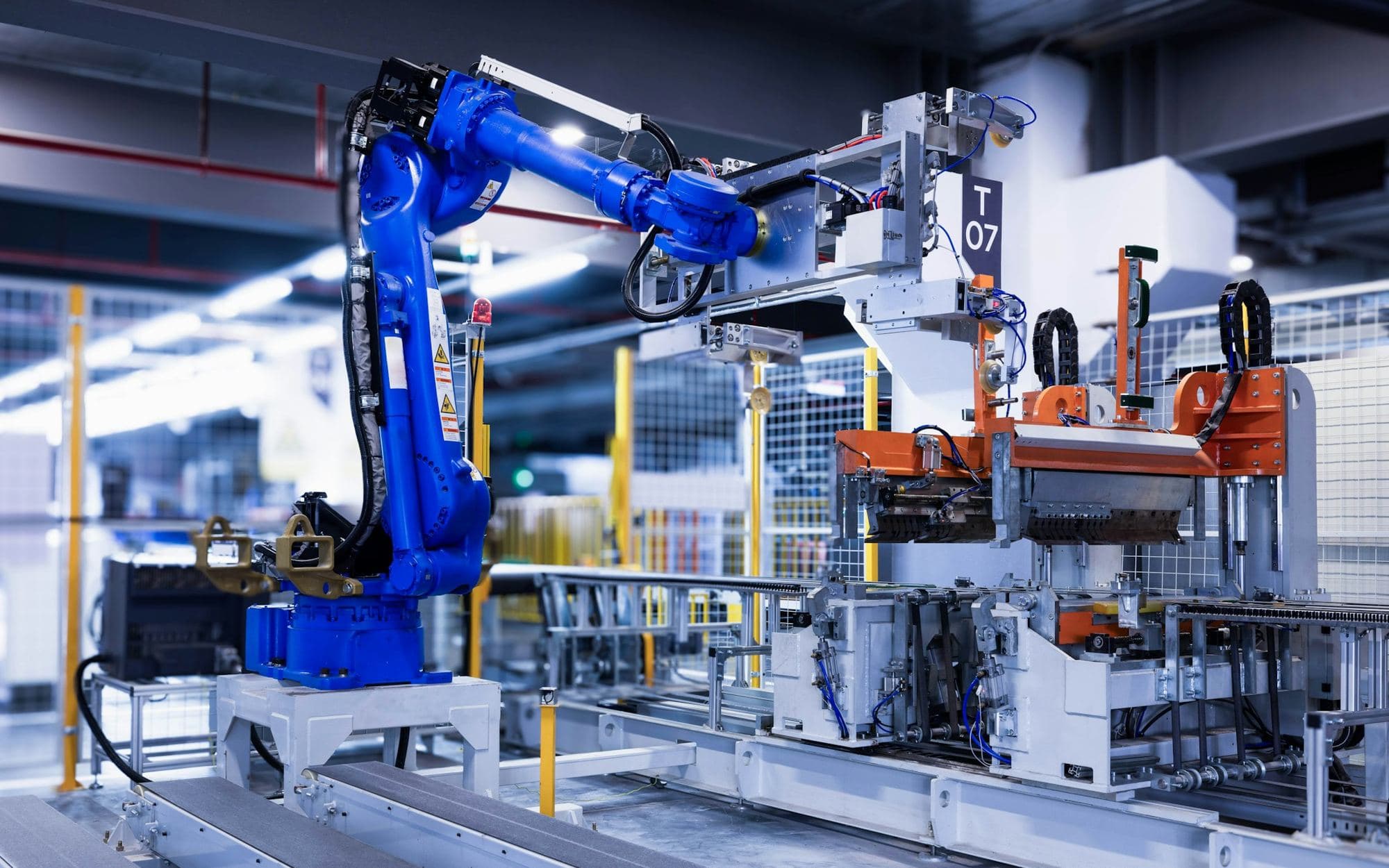
ERP integrated with production, materials and quality data, so plans reflect what the plant can really build and analytics show where time and material are lost.
Manufacturers run on two clocks: the business systems that plan and cost production, and the plant-floor systems that record what actually happened. When the two are loosely connected, schedules are built on stale information, shortages appear mid-run, and costs are reconciled after the fact.
Completions, scrap and material consumption entered late or in end-of-shift batches, so inventory and cost figures trail reality.
Bills of material, lead times and on-hand balances out of step, causing expediting and stoppages alongside excess stock of the wrong items.
Production schedules prepared in spreadsheets because the system does not reflect true capacity, so the official plan and the real plan drift apart.
Inspections, nonconformances and corrective actions captured on forms or in standalone tools, which makes root-cause analysis slow.
We integrate business systems with production systems so the ERP becomes a dependable record of what the plant built, consumed and shipped, then use that data for planning, quality and operational analytics. We work in Oracle Fusion Cloud SCM and Manufacturing where they fit, and integrate with the execution, equipment and quality systems you already run.
Production, consumption and quality events reach the system of record as they occur.
Planning built on accurate bills of material, routings and lead times, with shortages surfaced before the run starts.
Analytics and predictive models that show where throughput, yield and material are being lost.
Each area is delivered by the same team that designs it, from assessment through production support.
ERP connected with shop-floor, equipment and warehouse systems, so work orders, completions and consumption are recorded once and accurately.
Accurate materials data and deliberate inventory policy, so the right components are on hand without excess stock.
Supply and production planning on reliable data, with visibility into throughput, downtime and yield.
Quality data captured in the flow of work, routine processes automated, and exceptions routed to an owner.
Ageing plant and business applications moved to supported platforms, and operational data consolidated for analysis.
The platforms and practices behind the solution areas, as they apply to manufacturing.
Planning, production and cost.
Models that act on plant data.
Plant and business data together.
ERP and floor, in step.
Supported, resilient platforms.
Examples of the work this involves. They describe the shape of a project, not a named client engagement.
Integrating shop-floor systems with Oracle work orders so completions, scrap and material consumption post as they happen instead of in end-of-shift batches.
Auditing bills of material, routings and units of measure, assigning data owners and fixing discrepancies so supply planning produces output people can use.
Replacing paper quality forms with a workflow that captures inspections and nonconformances at the point of work, linked to the lot and the work order.
A predictive maintenance model built on existing sensor data and validated against maintenance history, with alerts routed into the maintenance workflow.
Strategy, design, build and run, applied to the realities of manufacturing.
We observe how work orders, materials and quality data move today, including the paper and spreadsheets, before designing anything.
Bills of material, routings, items and lead times are cleansed and owned, because planning cannot be better than the data beneath it.
Integration and planning are proven end to end on one line before rolling out across the plant or to other sites.
Throughput, yield and inventory accuracy are tracked after go-live, and the next improvement is chosen from the data.
Yes. We build interfaces between ERP and shop-floor, equipment and quality systems, using APIs, events or files depending on what each system supports, with monitoring on every interface.
No. Our integration, data and automation work applies to Oracle and non-Oracle environments. Where an Oracle Cloud migration is being considered, we assess it against your requirements first.
We start with the sensor and maintenance history you already have, set a baseline, and deploy a model only if it clearly improves on it. Alerts are wired into the maintenance workflow so a prediction leads to an action.
Yes. We prove a design on one line or plant first, then roll it out using the same templates, data standards and integrations, adjusted for each site's local requirements.
Managed services cover application support, interface monitoring, release management and continuous improvement, so the link between plant and ERP stays healthy as both change.
Oracle Financials, a faster close, and reconciliations and controls that stand up to audit.

ERP modernization, budgeting, procurement and grants, and digital services residents can rely on.
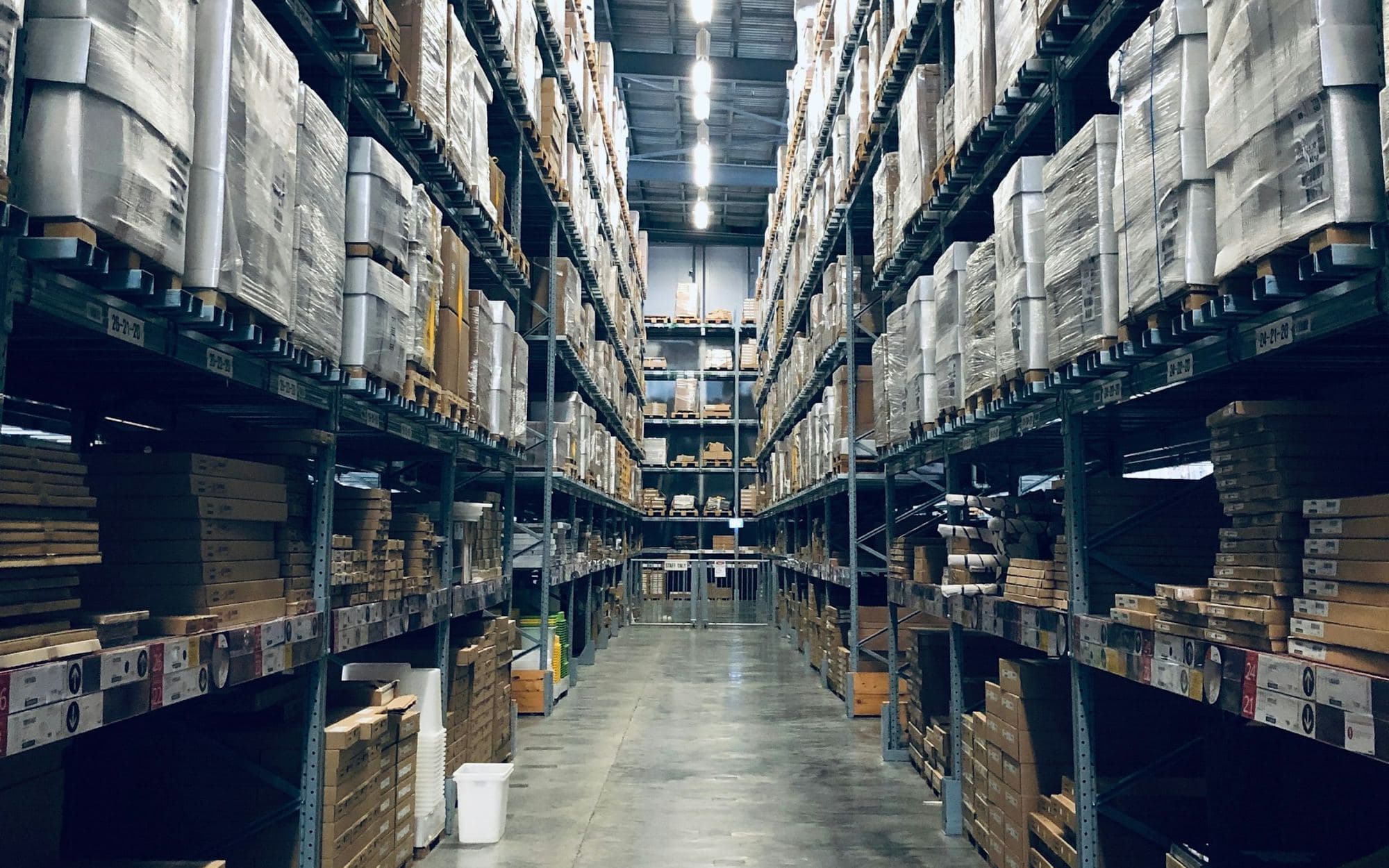
Supplier, inventory and order data connected end to end, with analytics that drive the next decision.

Stores, ecommerce and marketplaces connected, with inventory, customer data and forecasting on one core.
Tell us where you are and what you need to change. A specialist will read it and reply within one business day.